Sources first
I read the real system before I say what is wrong with it. No guessing from a description.
About
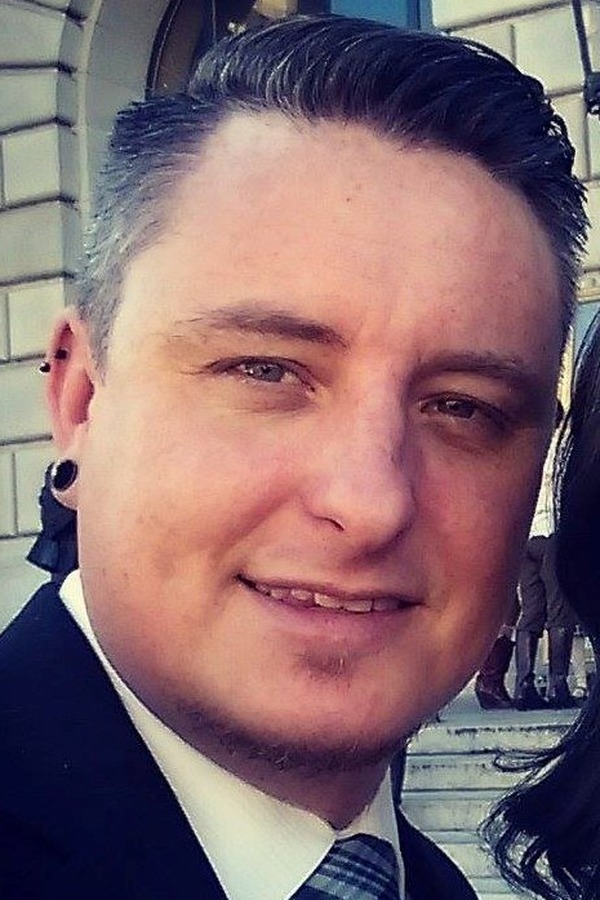
I’m Zak Overby, a solutions architect. Since 2007 I have worked in and around higher-education student information systems: first as a user at the front counter, then building the integration, automation and reporting behind them, and for the last two years the applied AI tooling on top.
I started at the front counter. Before I ever wrote a line of integration code, I worked as a hands-on user in nearly every department of a college: sales, IT operations, registrar and admissions, senior registrar, financial aid administrator.
That is unusual for someone who now designs these systems, and it changes the work. I know what a registrar needs when a term is about to start. I know what a financial aid officer is looking at when a disbursement will not post. When I build something, I build it for the person who has to use it at the end of a long day, because I have been that person.
Before higher education I spent years as an escrow officer, and before that as a data electrician. Money-critical, compliance-heavy, get-it-right-the-first-time work. The same instinct goes into federal financial aid automation now.
How I got here
1998 to 2001
Sasco Electrical. I built physical data infrastructure before I designed the logical kind.
2001 to 2007
Ticor Title. Other people’s money, strict rules, and no room for a second attempt.
From 2007
Unitek Learning, then an IT certification training company. Sales associate, IT Sales Admin Support for its top sales staff, and IT operations coordinator, then registrar and admissions, senior registrar and supervisor of administrative operations, and financial aid administrator.
The same college, later
Student finance technology and integration manager, corporate technology and integration manager, senior systems analyst, and then consultant on Anthology Student. REST middleware in C#, SSIS data pipelines, SSRS and Power BI reporting, and workflow automation.
Since 2017
Independent consulting for higher-education institutions and education technology firms on Anthology Student and Thesis Elements. Most engagements arrive through LinkedIn and word of mouth.
Since 2021
Aspen Group, Inc. I own the student-system integration backbone, the reporting layer, and the financial aid migration tooling.
The last two years
AI tools for my own engineering work, with rules the tooling enforces and a record of everything the AI did, and setups where a second AI agent independently checks the first one’s work. This website is the most recent example: designed, written, built and tested with AI coding agents, with me reading and correcting every page before it carried my name.
What I work with
How I work
I read the real system before I say what is wrong with it. No guessing from a description.
Read-only until we agree otherwise. Changes are rehearsed in test and applied by a person.
Every delivery comes with a record of what changed and how it was checked.
You get straight answers in language your whole team can follow, including when the answer is no.
I run DataZak alongside a full-time architect role, and have since 2021. Consulting work is scheduled, not on demand: we agree working hours and response times in writing before a project starts. Weekday afternoons Pacific time are my main call windows; early mornings suit East Coast teams, weekends work too, and I will take a call in your time zone when it matters. My full work history, with every engagement listed individually, is on LinkedIn.
Tell me what you run and where it hurts. The first call is 30 minutes, free, and you will leave with a clear next step whether or not we work together.